Manufacturing, electronics, technology & precision industry
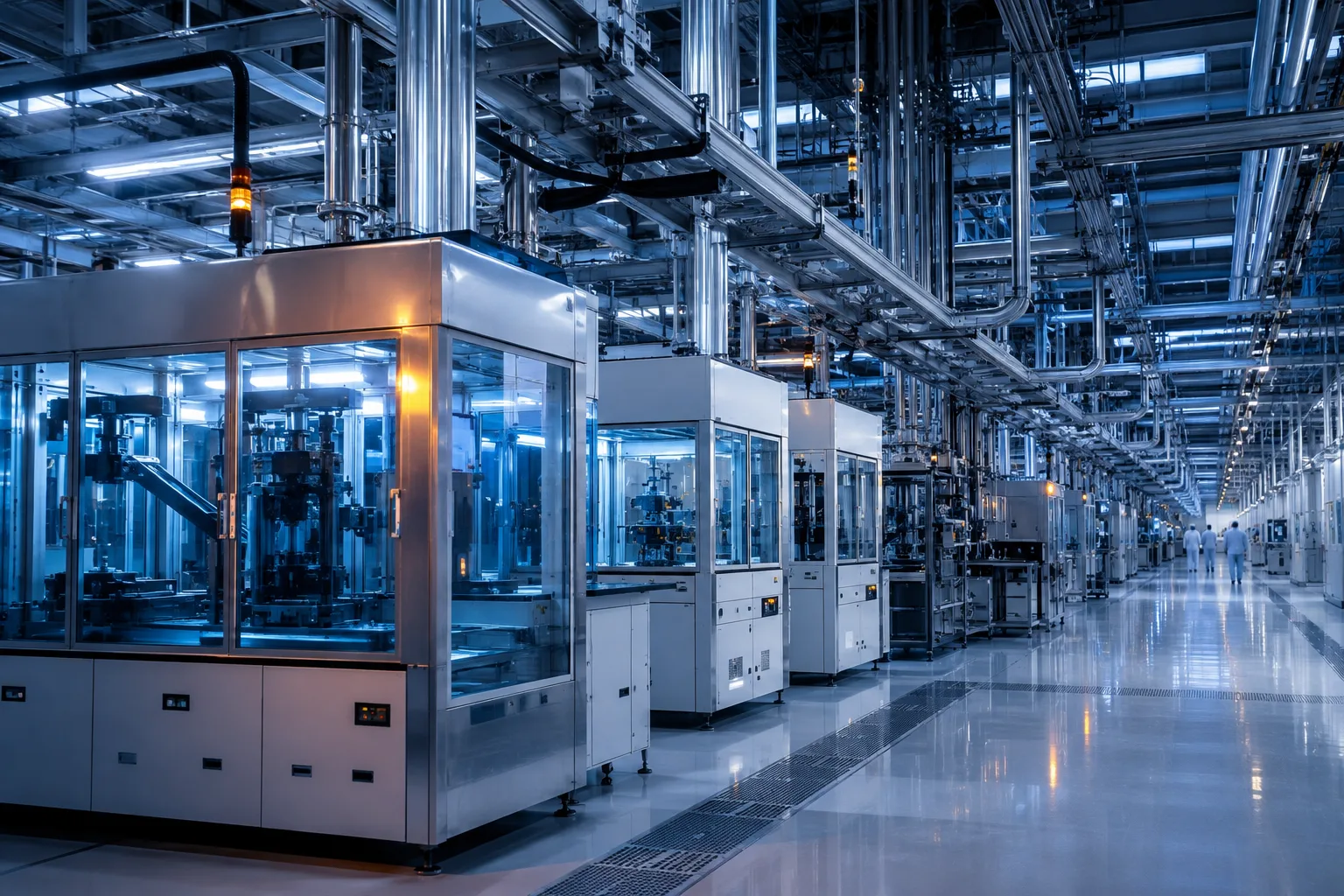
Clean environments, critical process equipment, single-point failure, power and water supply, replacement times and shared supply chains. Relevant information includes equipment schedules, layouts, maintenance records and continuity plans.
Automotive & machinery
Production-line dependencies, just-in-time operations, critical parts, plant protection and recovery capability. Engineering reports, supplier concentration and incident history help explain the effect of production interruption.
Logistics & warehousing
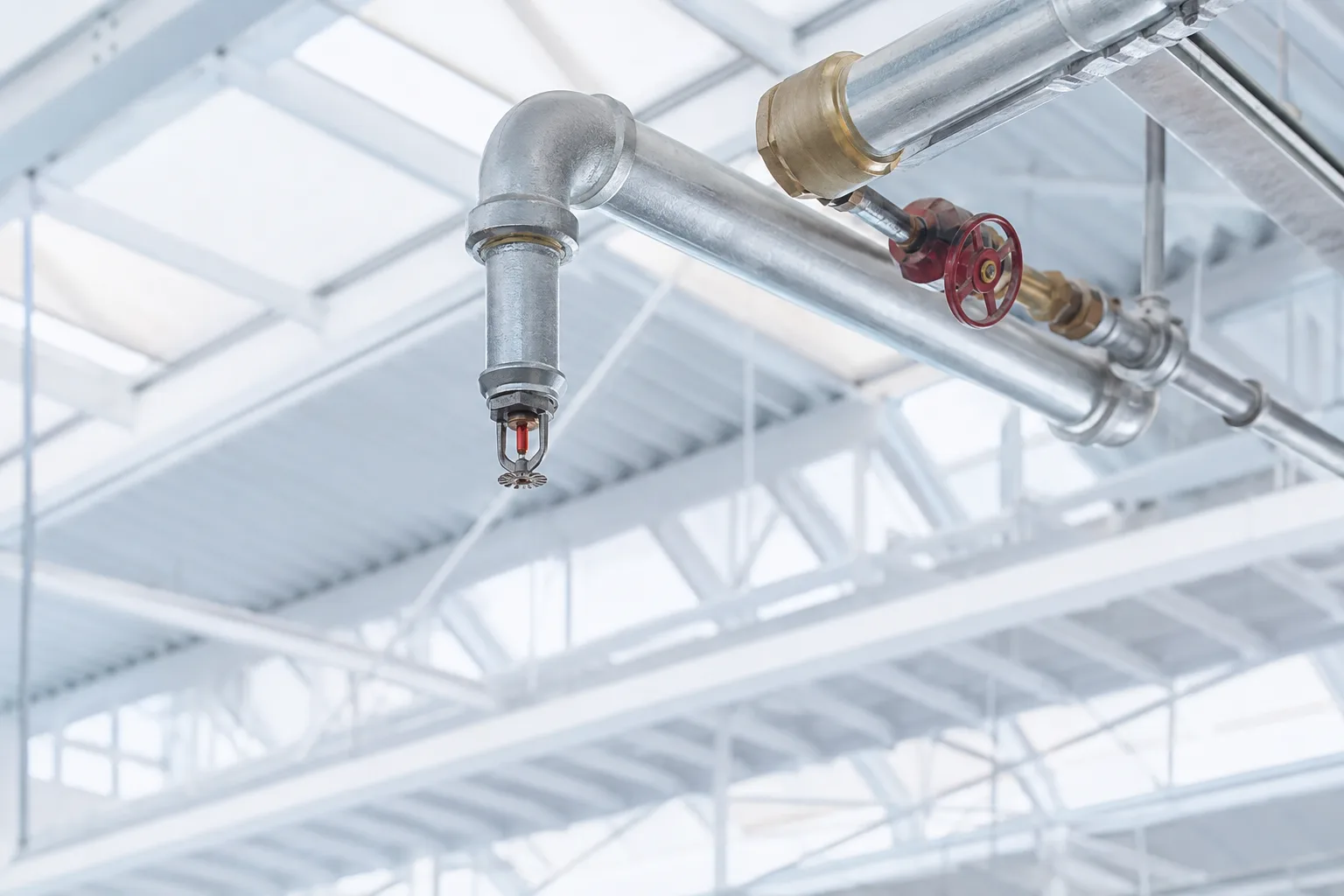
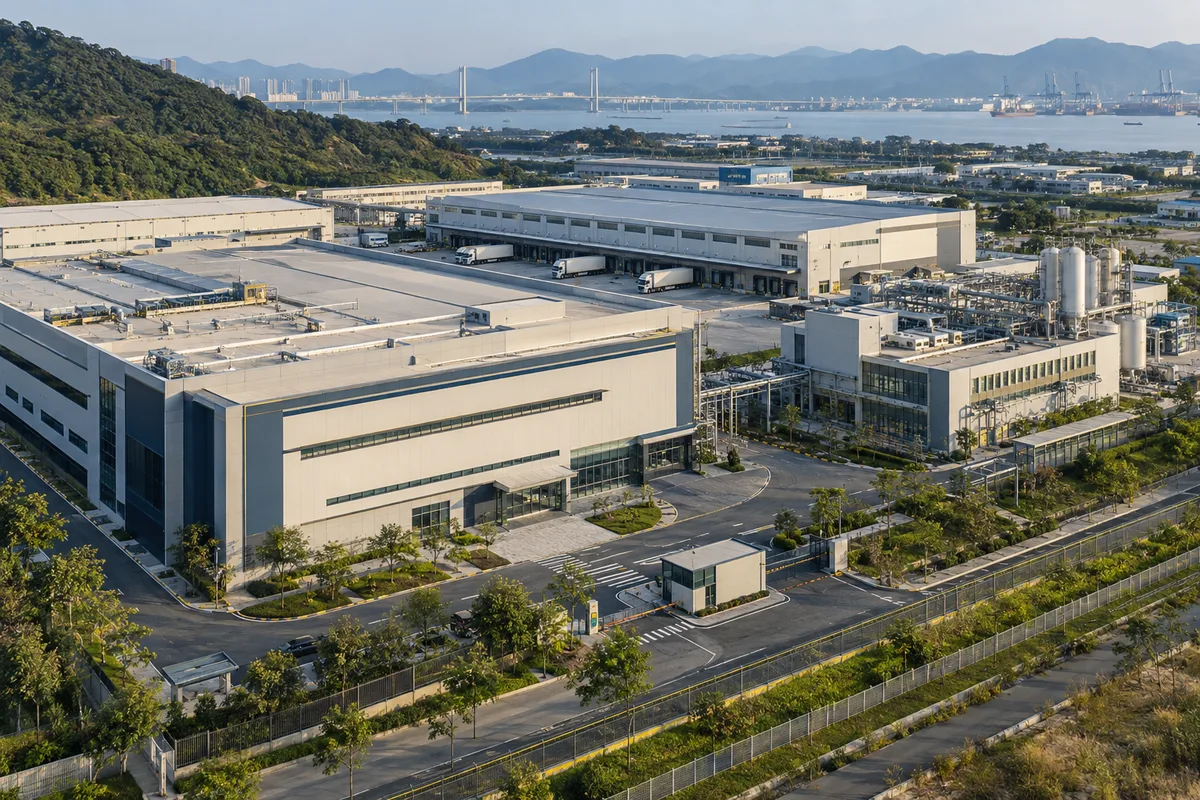
Stored goods, storage configuration, fire compartments, automation, fire-water supply and surrounding flood exposure. Distinguish the information needs of general warehousing, specialist goods and cold-chain facilities.
Power & renewable energy
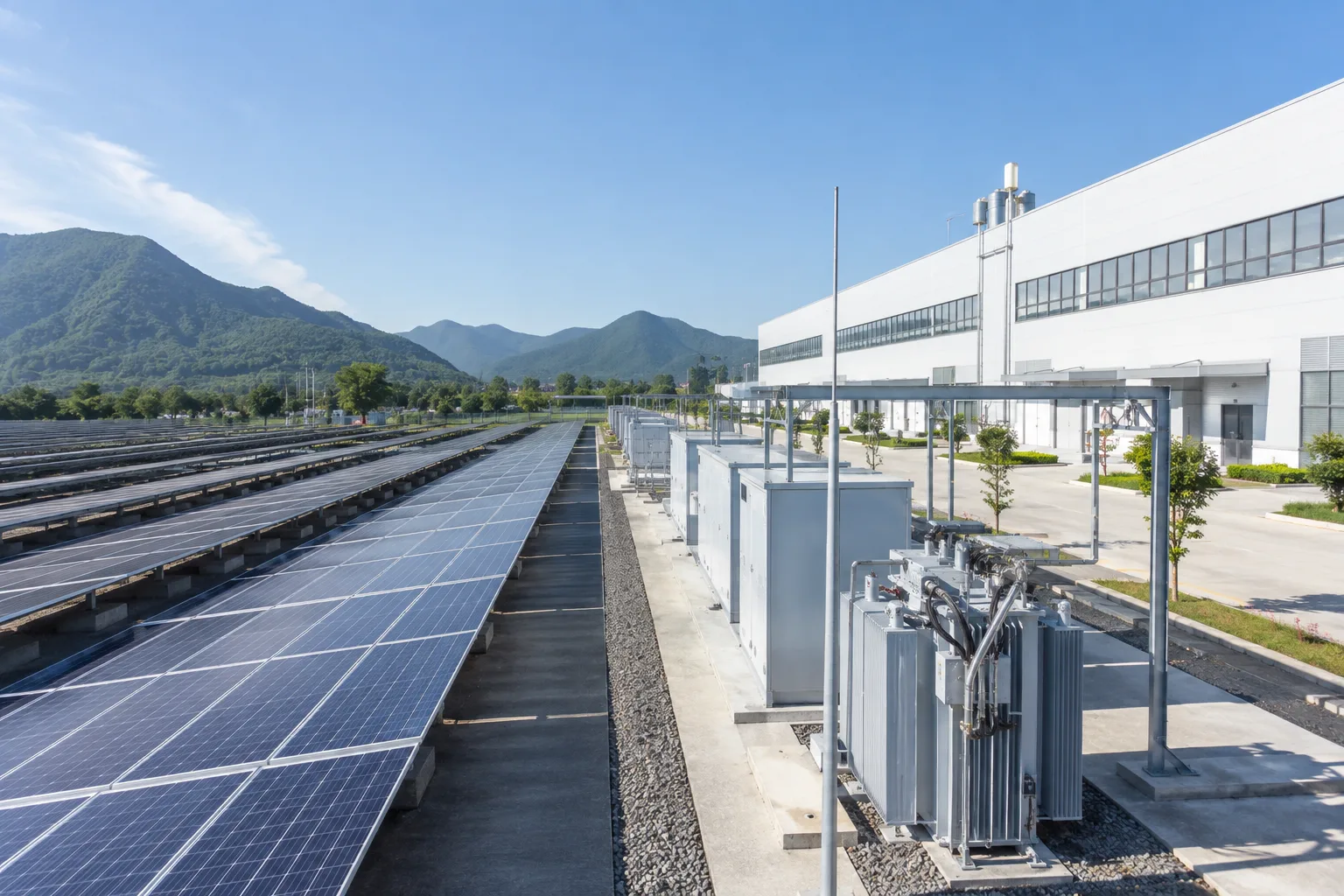
Critical generating equipment, transformers, grid connections, maintenance cycles, utility dependencies and recovery arrangements. Link equipment information and actual locations to storm, flood and other exposures.
Data centres & telecommunications
Power redundancy, cooling, protection, connectivity, equipment density and utility concentration. Information needs cover normal operation as well as emergency switching scenarios.
Pharmaceuticals & medical devices
Production environments, precision equipment, temperature control, raw-material and finished-goods storage, quality processes and restart requirements. Distinguish production facilities from general commercial occupancies.
Commercial property, retail & hospitality
Construction, mixed occupancies, fire-system maintenance, visitor activity, operating dependencies and local hazard exposure. Record the building assets and actual business operations separately.
Light industry & diversified SMEs
Consider food and beverage, general consumer goods, machinery, building materials and low-hazard commercial facilities. Broad “other” categories should not obscure actual occupancies or hidden concentrations.